
Developer Series
8 posts tagged developer series.
Developer Series
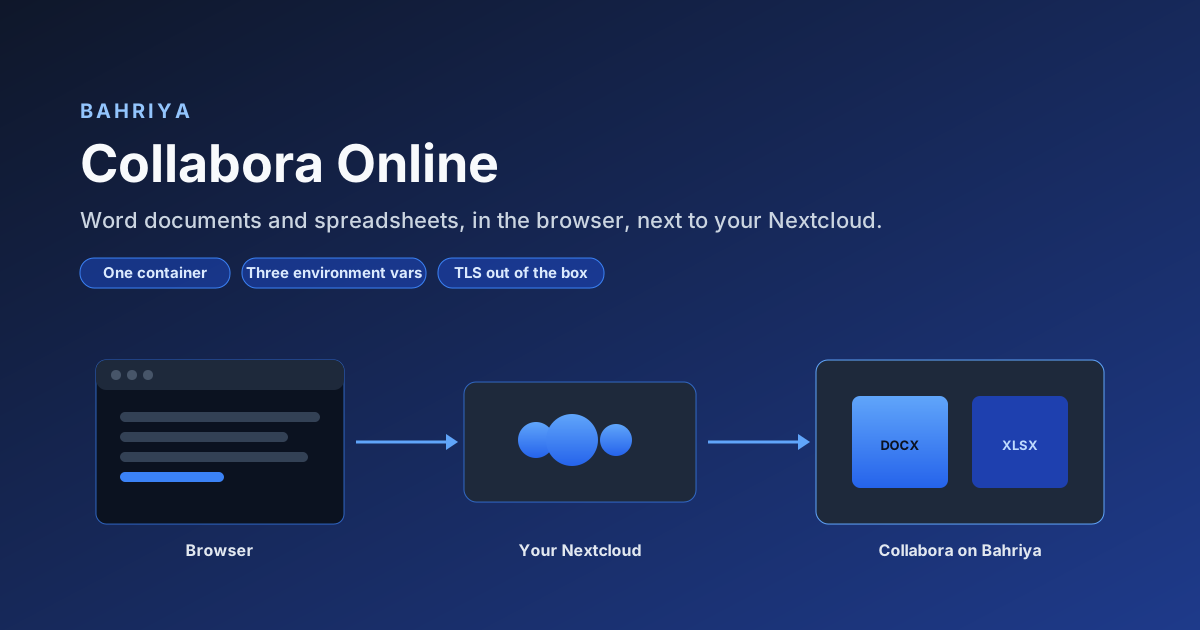
Editing Word documents and spreadsheets in the browser: Collabora Online on Bahriya
How to self-host Collabora Online for Nextcloud on Bahriya: five form fields and three environment variables replace a VM, reverse proxy and TLS setup.
Developer Series
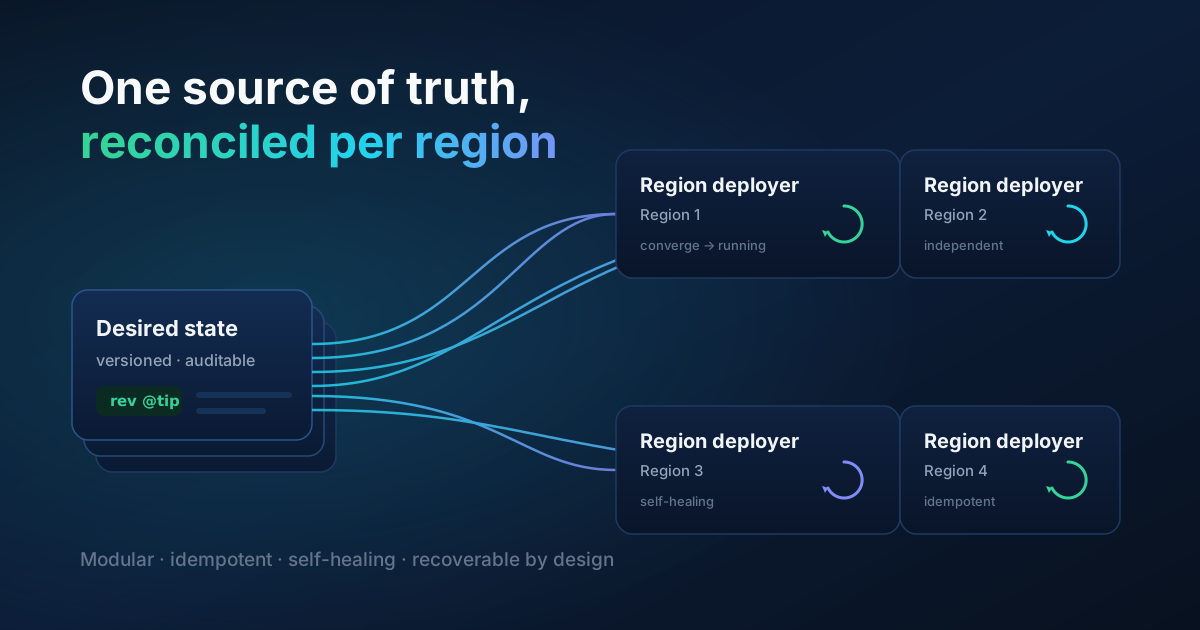
Rebuilding our deployment engine for speed and resilience
How and why we rebuilt Bahriya's deployment engine: a versioned desired state, per-region deployers converging in parallel, and recovery that is almost free.
Developer Series
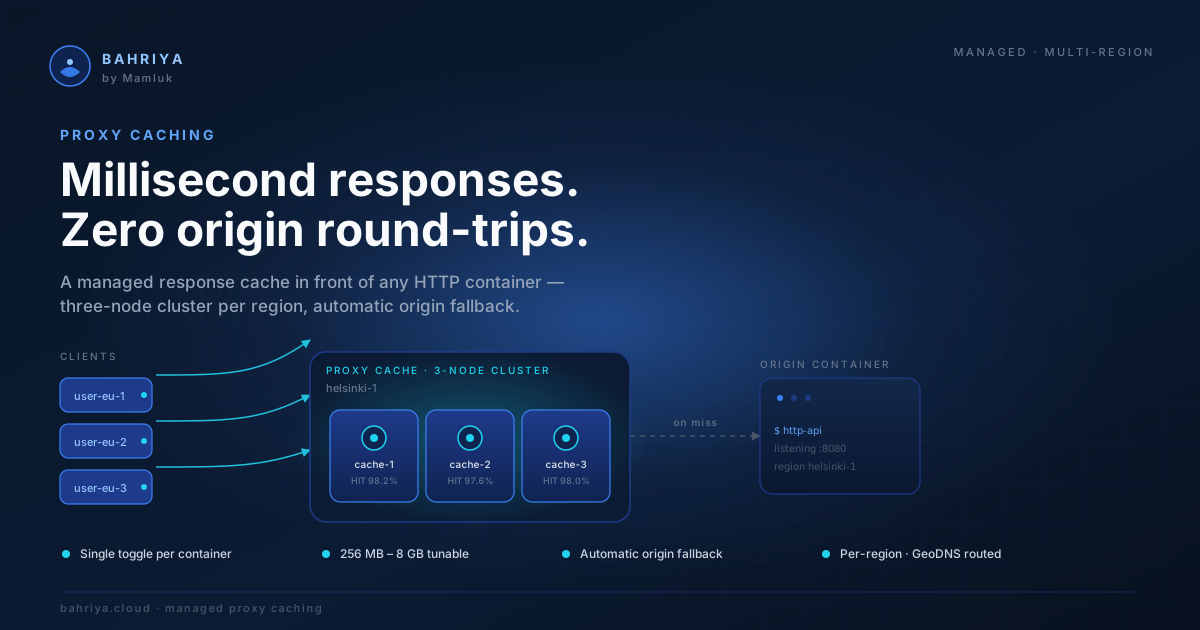
Tuning a proxy cache for hit rate, latency, and origin load
A practical guide to tuning a Bahriya proxy cache: sizing to your working set, picking TTLs, tightening the cache key, and iterating on the hit rate.

Developer Series
Securing your container: basic auth and IP rules
When to reach for basic auth, IP allow-lists and deny-lists on a Bahriya HTTP container, how the layers combine at the ingress, and four practical recipes.
Developer Series
Deploying a multi-pool Memcached setup on Bahriya
How to run multiple Memcached pools on Bahriya — separate session, object and rate-limit caches, each with its own sizing, nodes and regions.
Developer Series
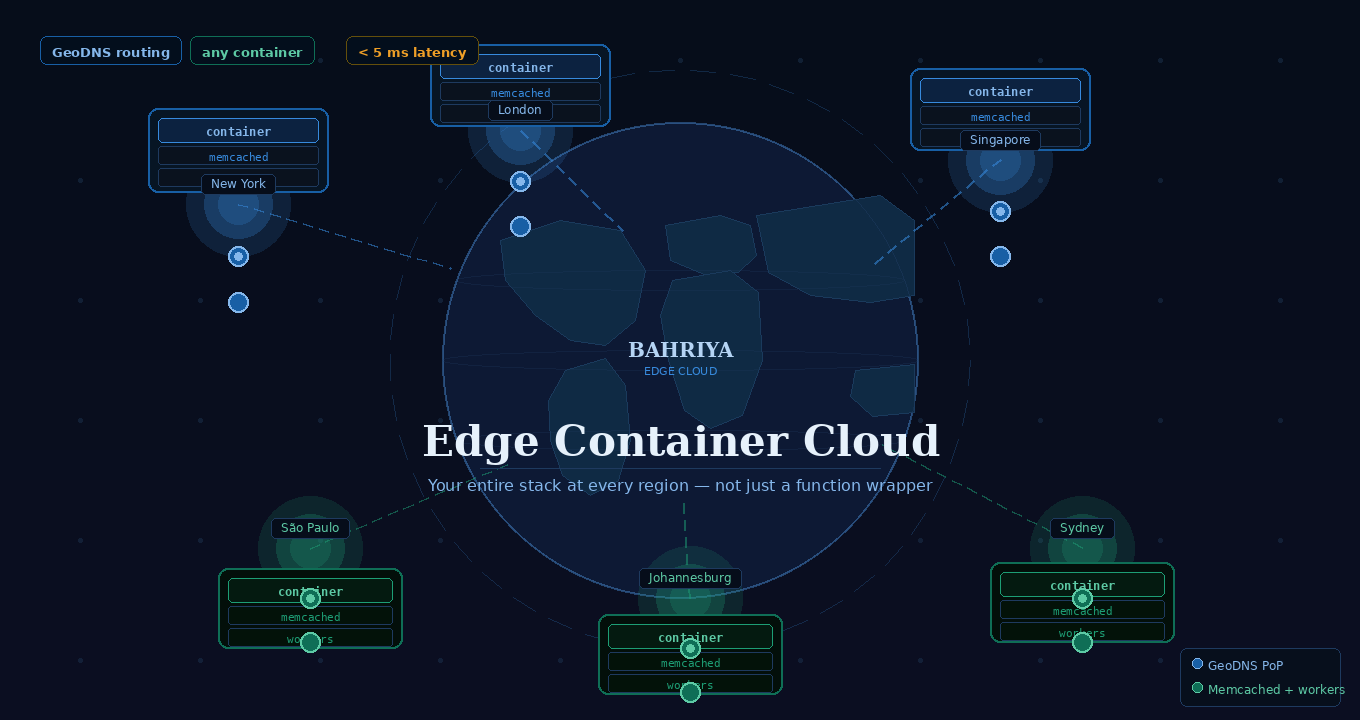
The edge container cloud — and why it matters
How Bahriya's edge container cloud model runs your full application in every region, with GeoDNS routing each user to the nearest one — no edge-function limits.
Developer Series
Deploying to 4 regions: Amazon ECS vs Bahriya
Deploying one container to four regions: roughly 120 to 170 resources on Amazon ECS versus one YAML file and a single command on Bahriya.
Developer Series
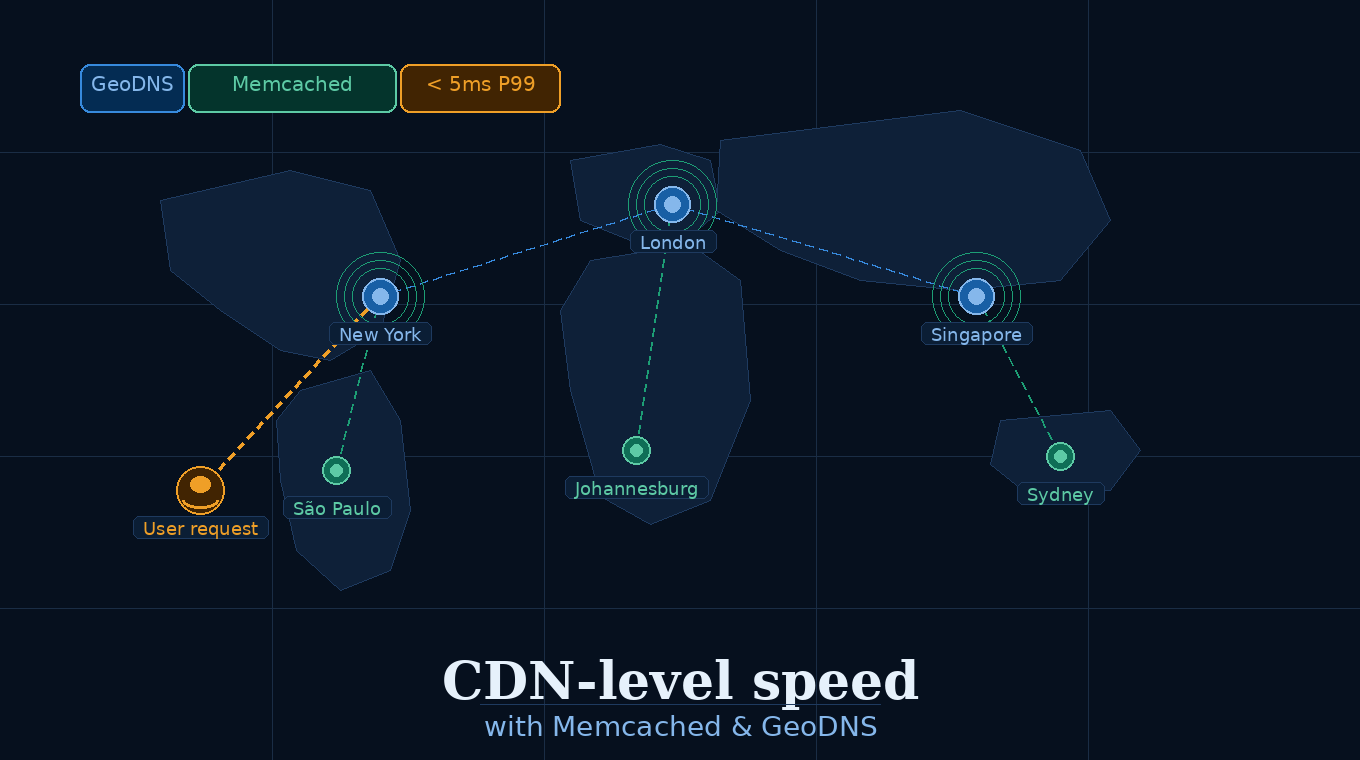
CDN-level speed with Memcached and GeoDNS
Combine multi-region Memcached with GeoDNS on Bahriya to get CDN-level latency for dynamic data, with each region warming its own local cache.